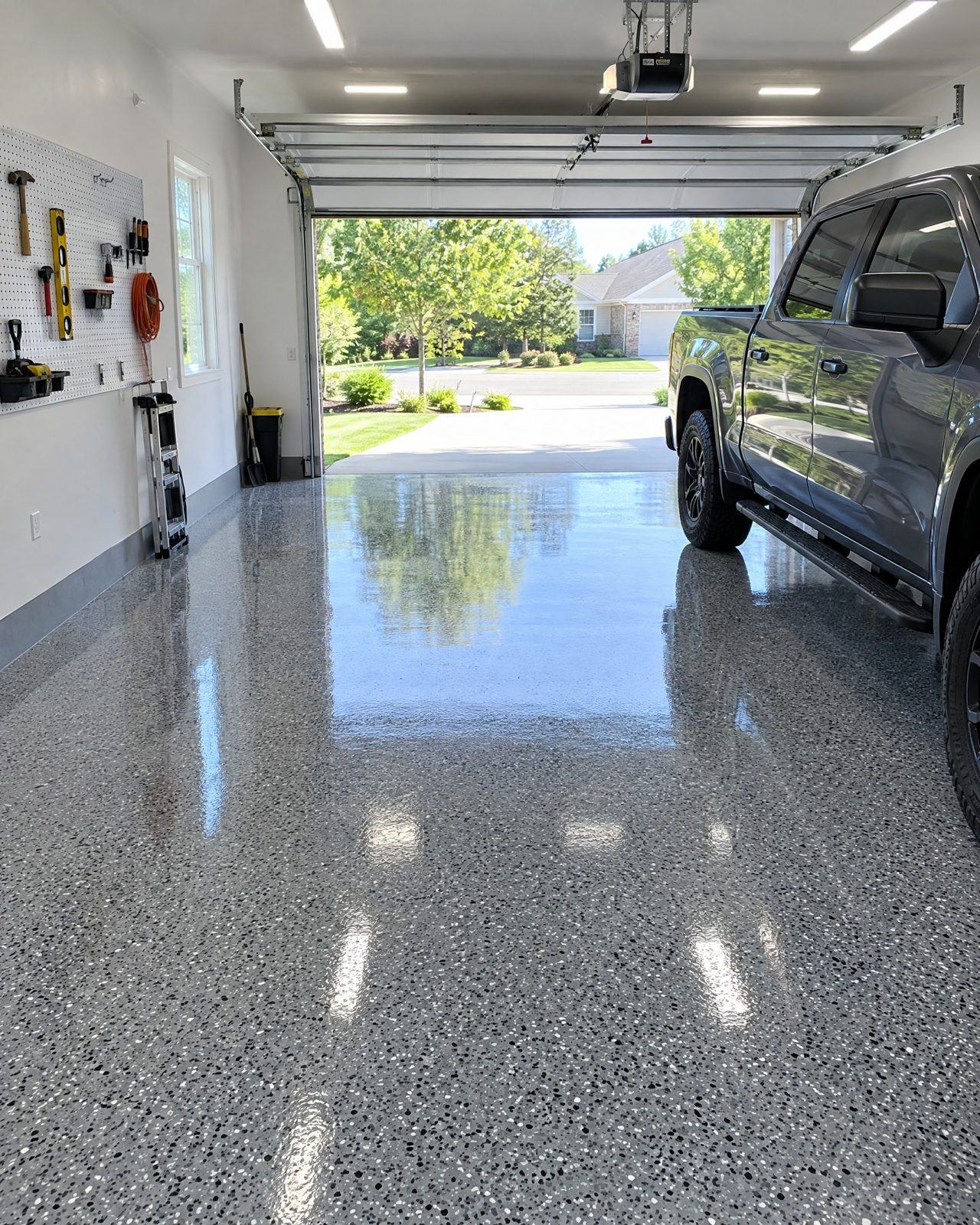
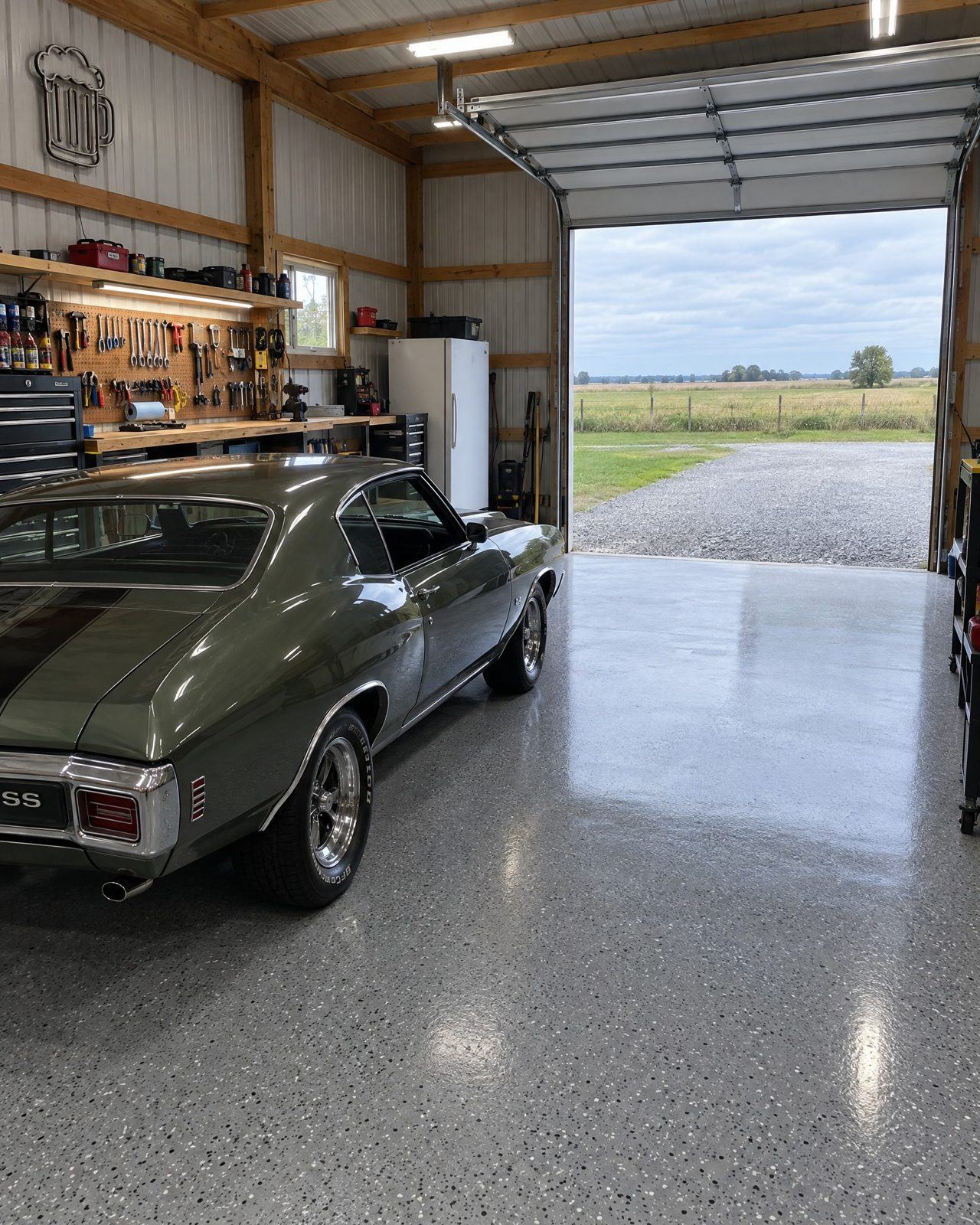
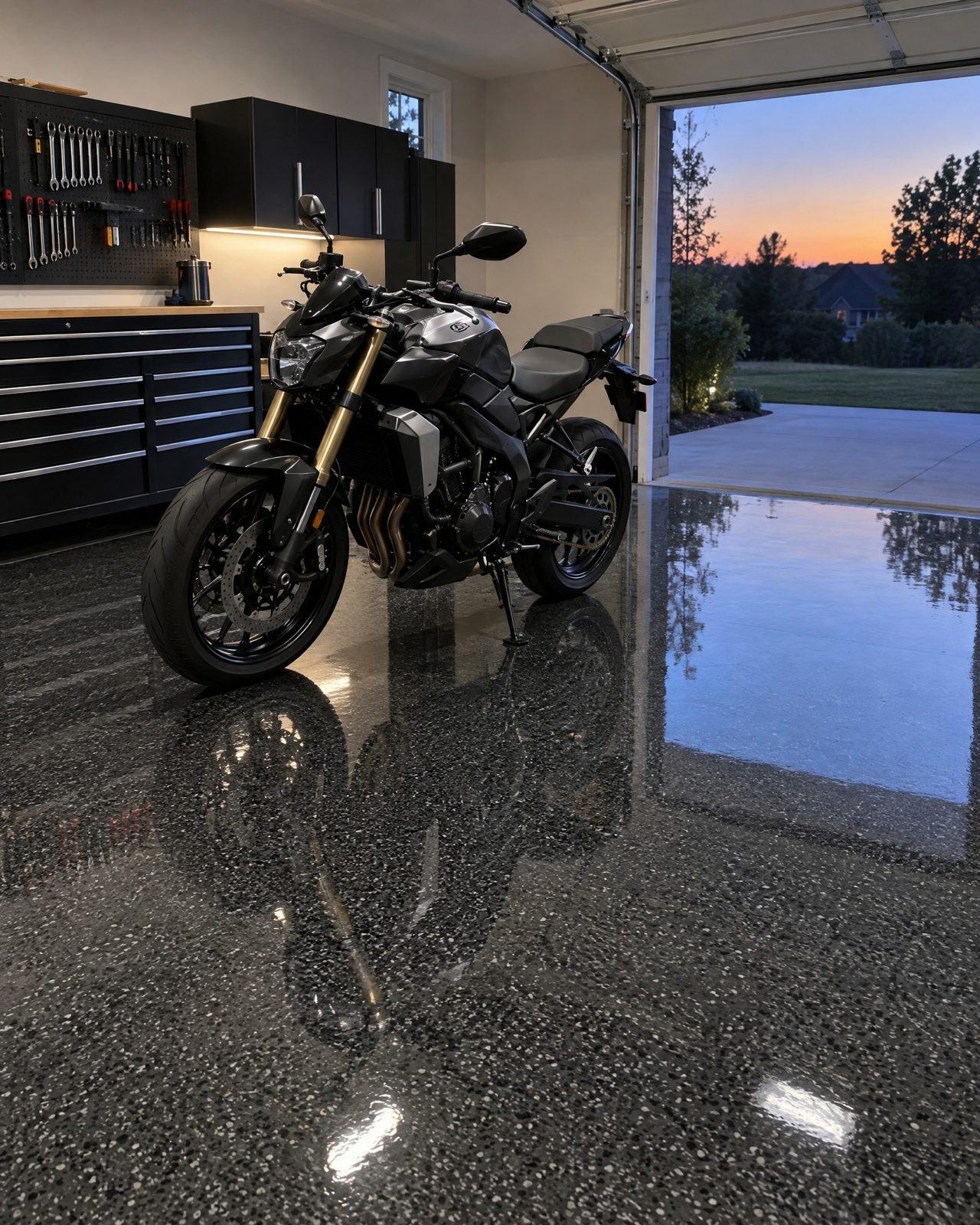
Flake polyaspartic garage floor seen from the open garage door

Ogden · Salt Lake · Utah County · Tooele Valley

Garage floors built for
Utah winters.

Diamond-ground flake, metallic and polyaspartic floor coatings, plus polished concrete, for garages, basements, shops and businesses across the Wasatch Front, backed by a lifetime warranty.

LifetimeWarranty
DiamondGround prep
FreeOn-site quotes
LocalUtah installers

Services

Every concrete surface, done right

Garage to basement, shop to storefront. One local crew, one standard of prep, one warranty.

Garage Floor Coatings on the Wasatch Front

Garage Floors

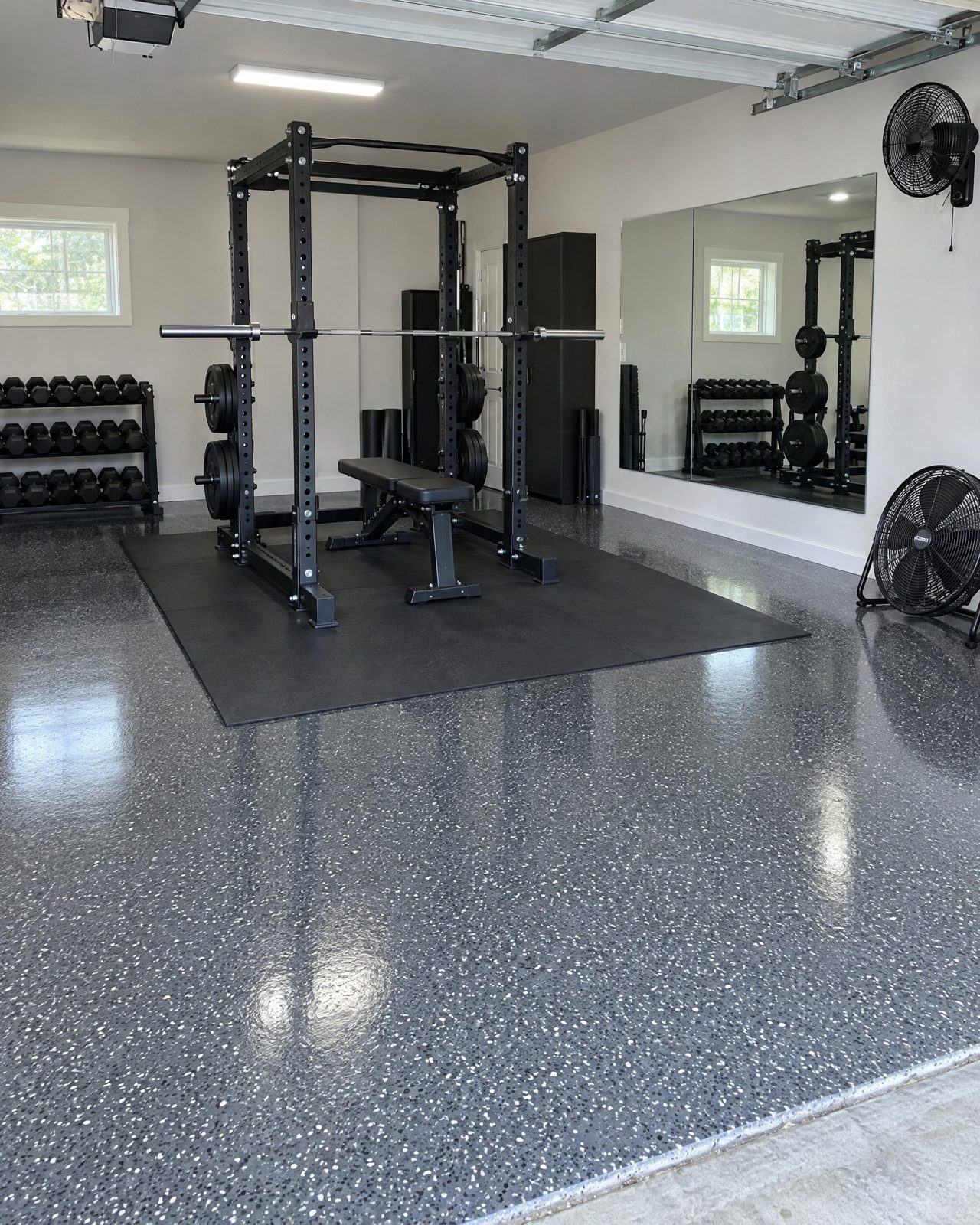
Diamond-ground flake and polyaspartic garage floors that shrug off hot tires, road salt and snowmelt — and won't peel like a box-store kit.

Explore →
Basement & Interior Floors on the Wasatch Front

Basement Floors

Bright, seamless, easy-clean coatings and polished concrete for basements, laundry rooms, gyms and living space.

Explore →
Commercial & Industrial Floors on the Wasatch Front

Commercial Floors

Coatings for shops, service bays, warehouses and kitchens — slip-rated, chemical-resistant and scheduled around your business.

Explore →
Metallic & Decorative Epoxy on the Wasatch Front

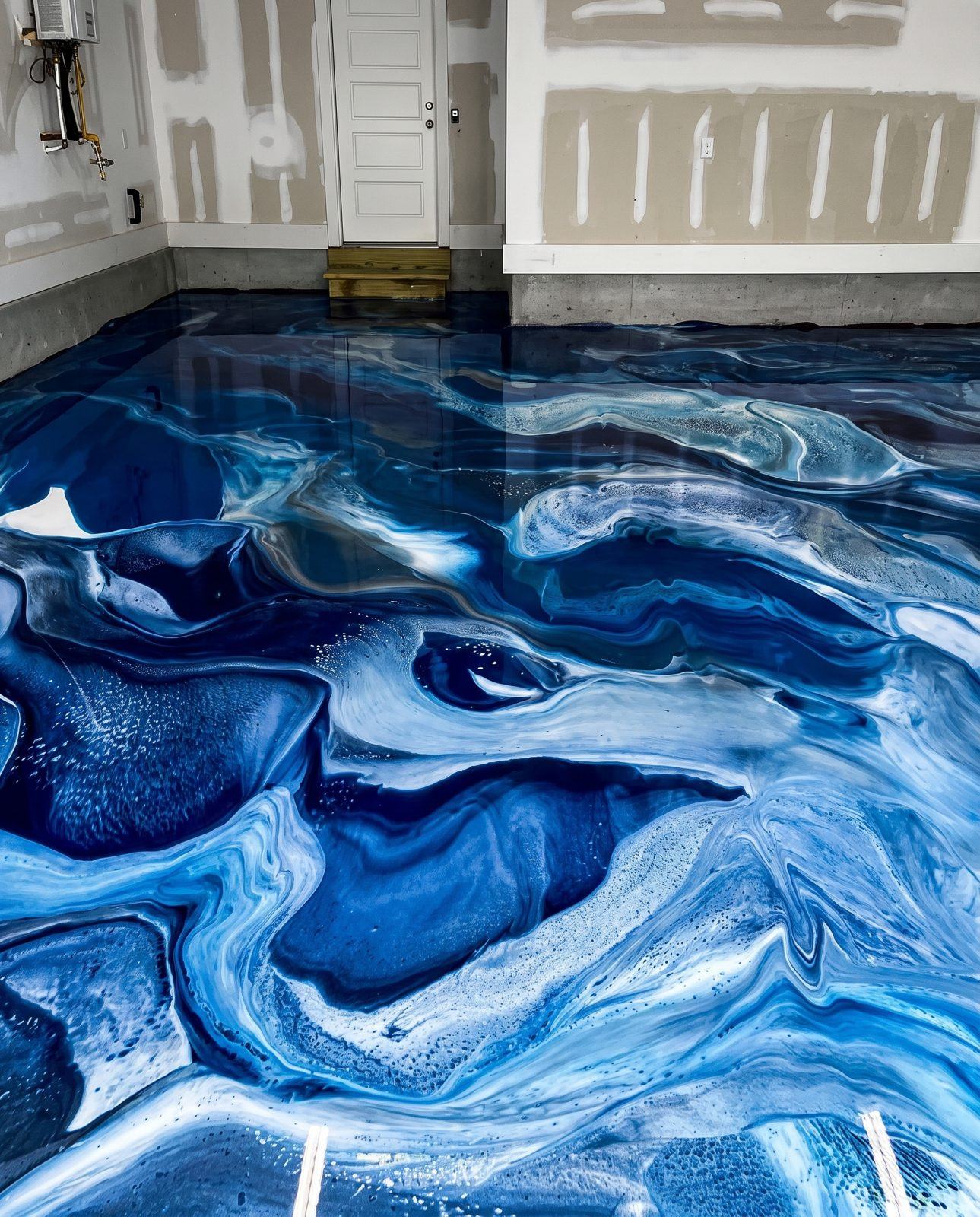
Metallic Epoxy

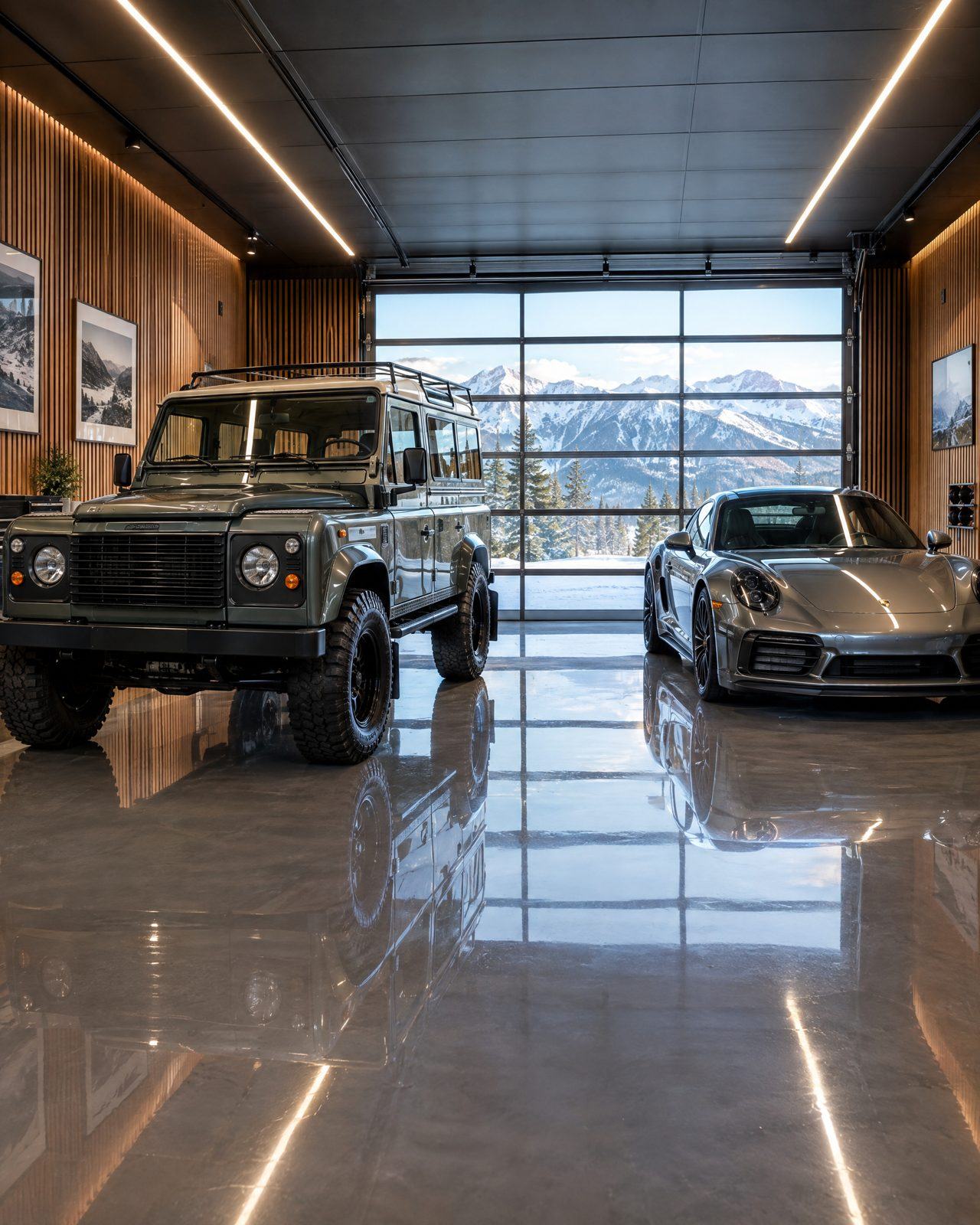
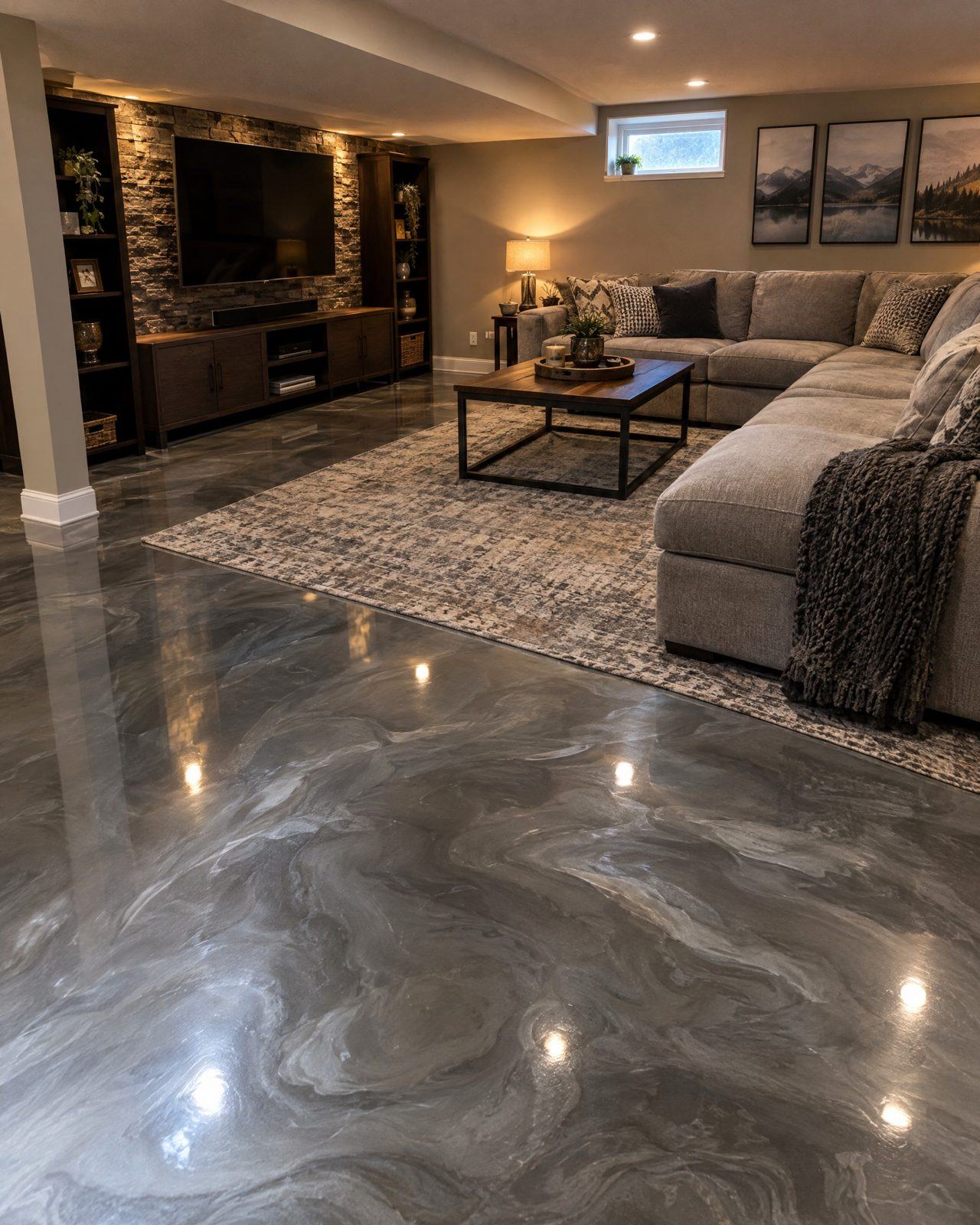
High-end metallic, marble-look and custom finishes for showrooms, basements, hallways and statement garages.

Explore →
Polished Concrete Floors on the Wasatch Front

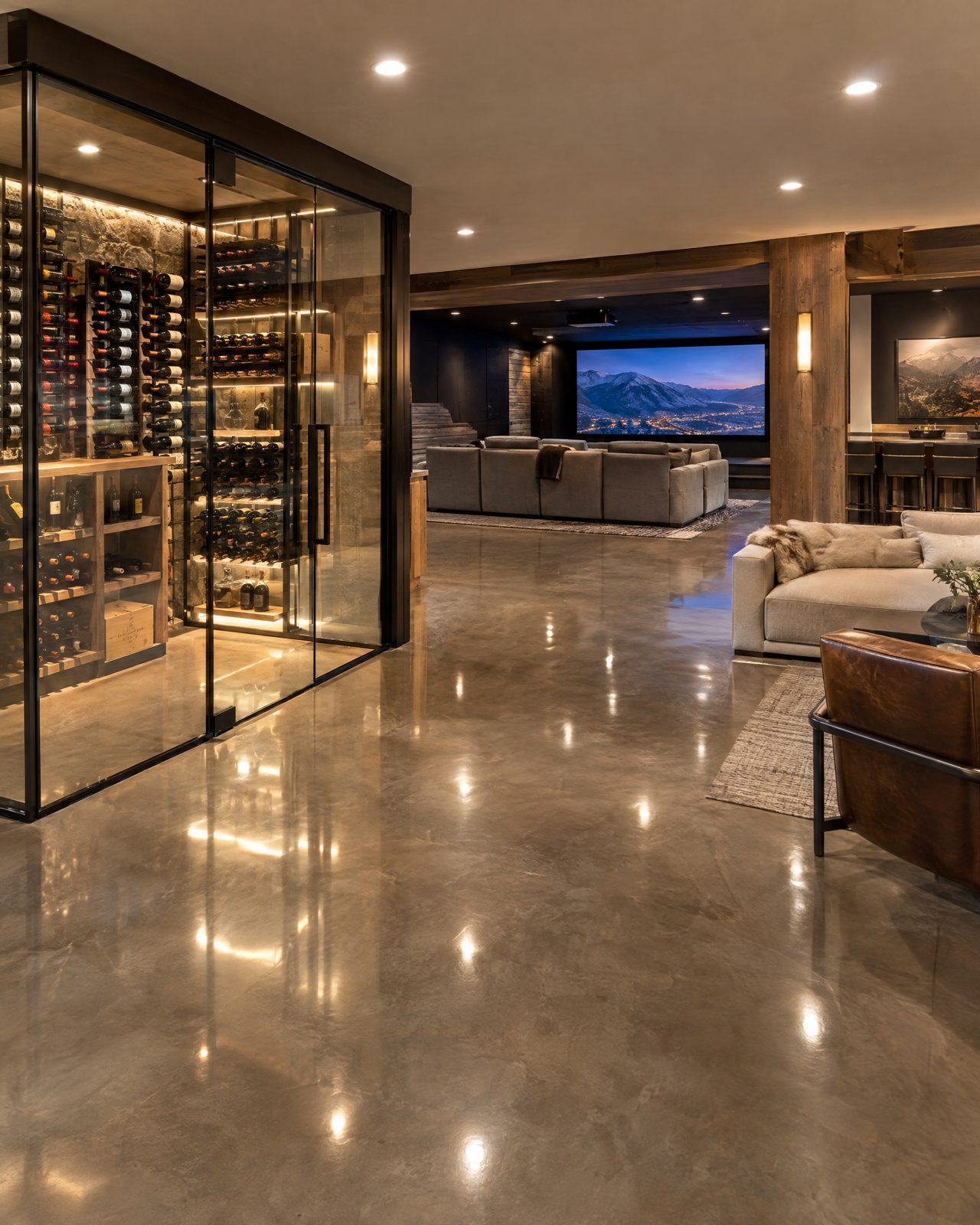
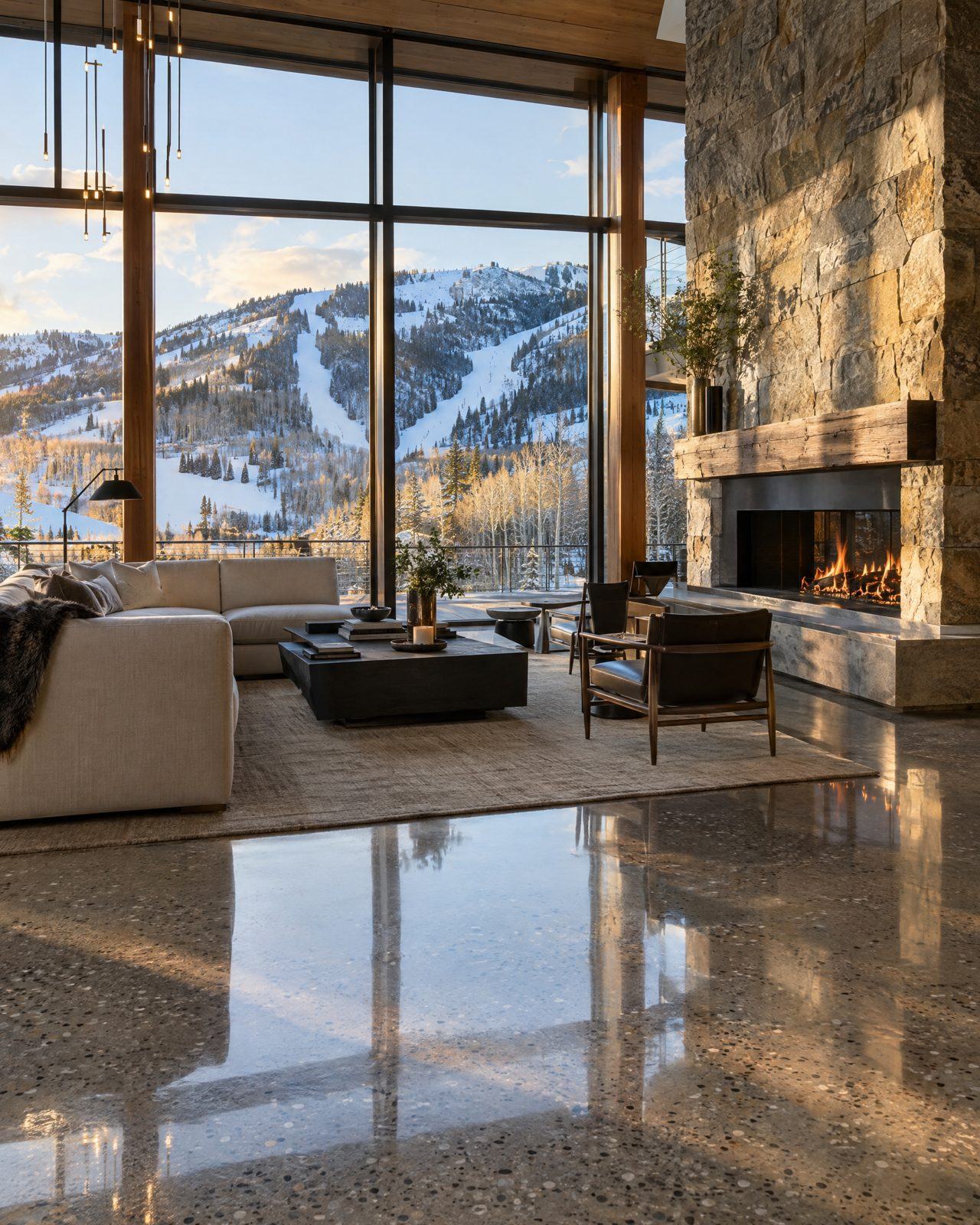
Polished Concrete

Ground, densified and polished concrete — the lowest-maintenance floor there is, for homes, shops, retail and restaurants.

Explore →
Patio, Balcony & Deck Coatings on the Wasatch Front

Patios & Decks

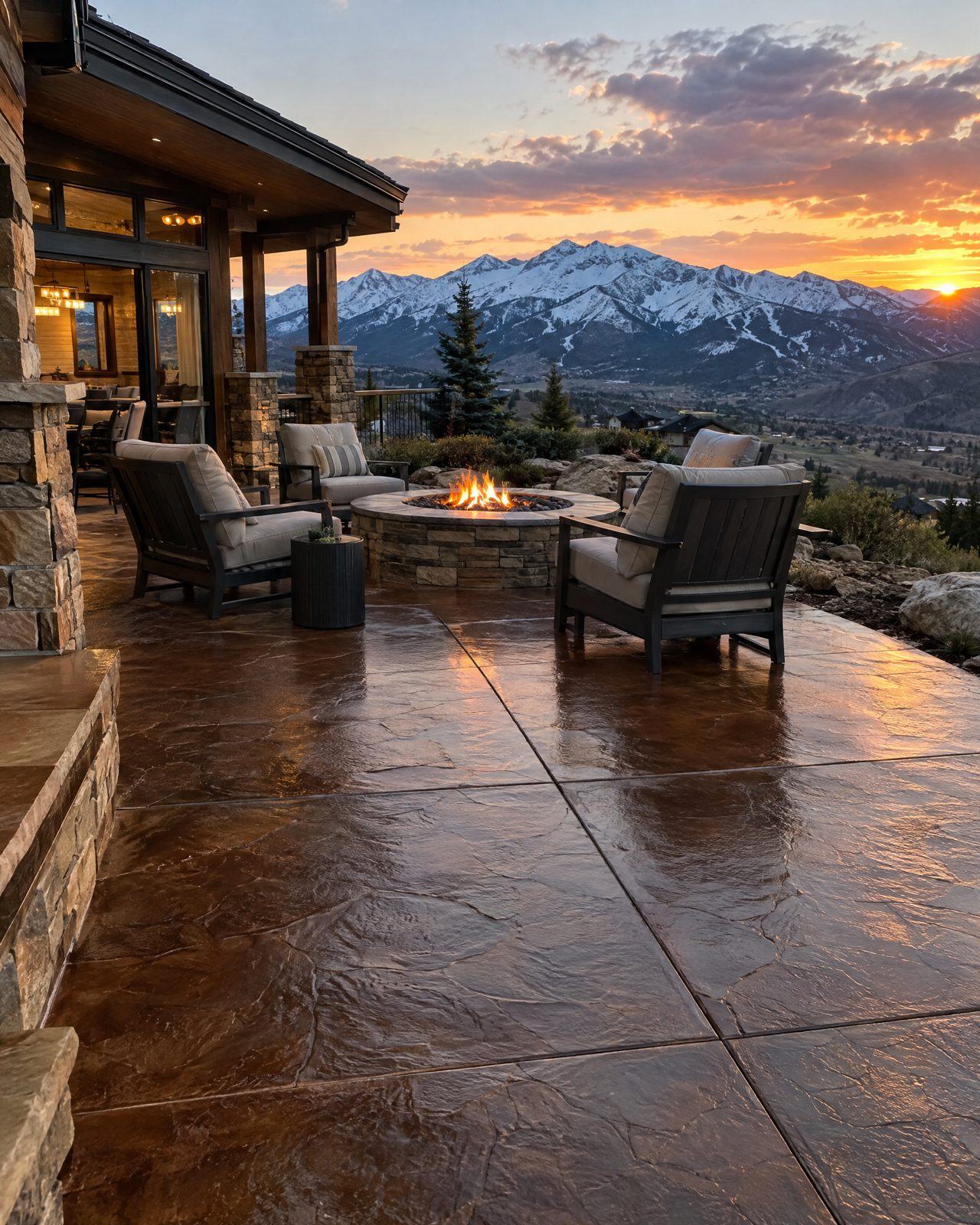
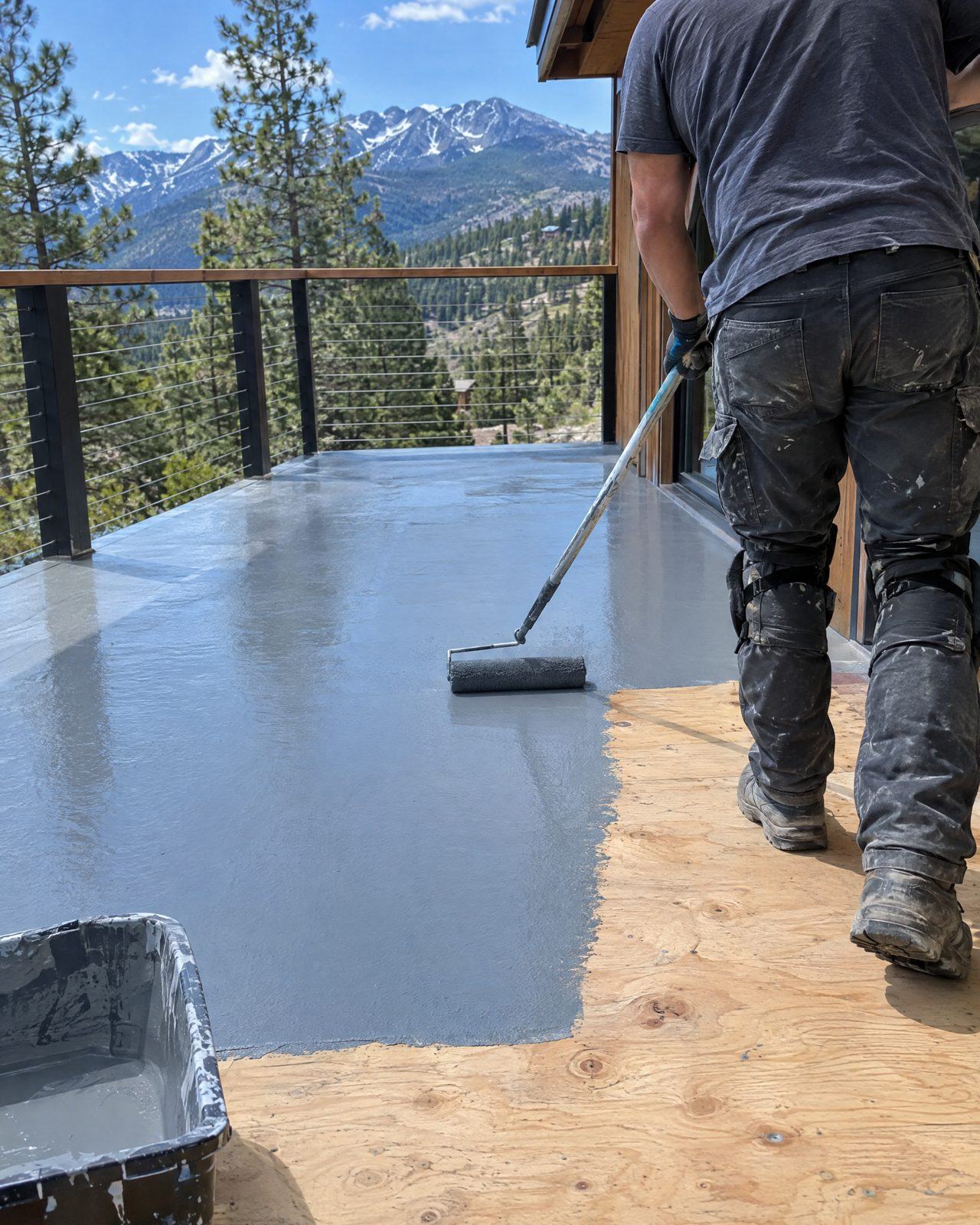
Slip-resistant flake coatings and waterproofing for patios, balconies, porches and concrete decks.

Explore →

Why floors fail here

Utah winters are hard on concrete

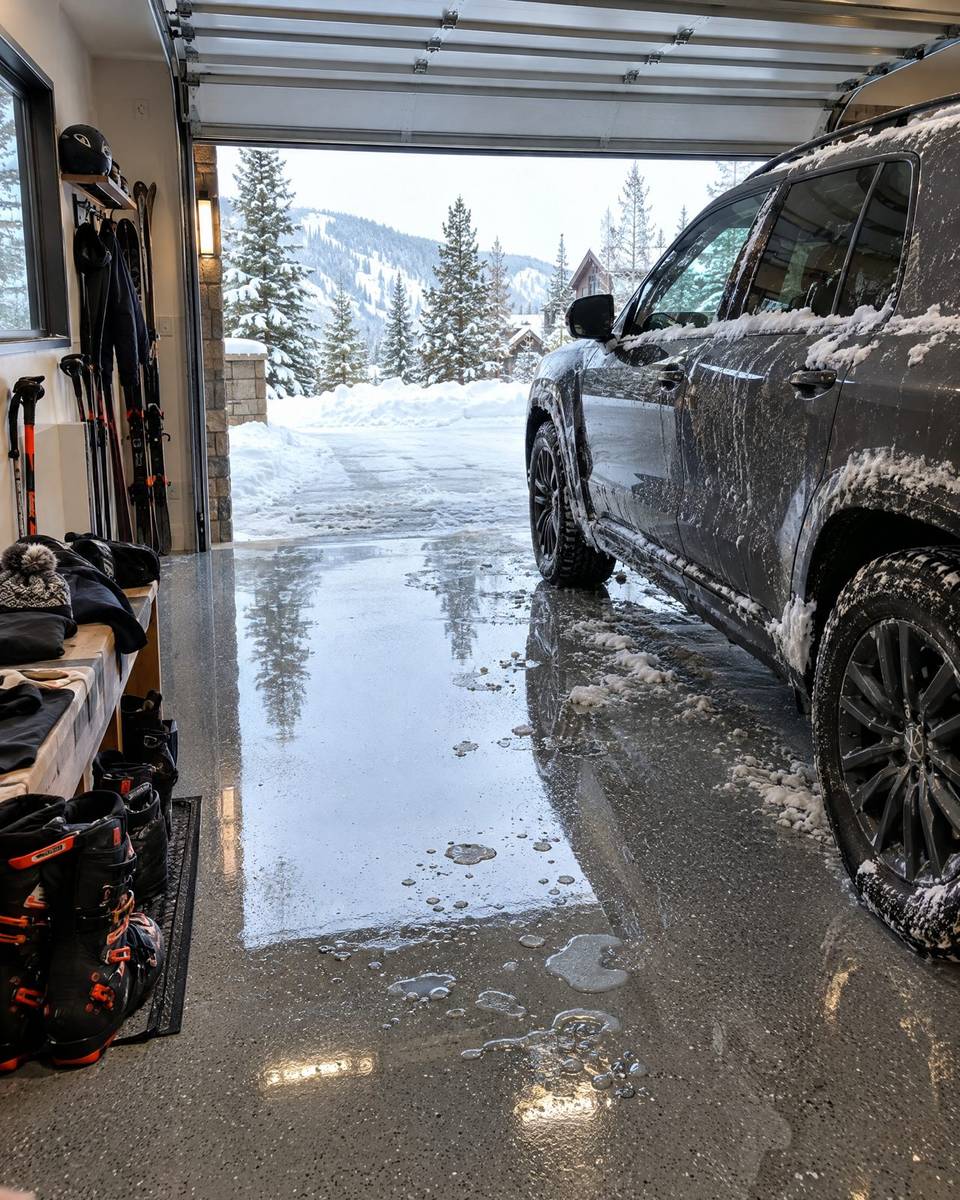
Road salt and brine, months of slush dripping off the car, dozens of freeze-thaw cycles and intense summer UV destroy bare concrete and cheap coatings. That's why so many Wasatch Front garages have a pitted, flaking band right inside the door.

Everything we install is chosen for these conditions: diamond-ground coatings that keep salt and water on the surface, UV-stable topcoats that won't yellow, and slip-resistant textures for snowy floors.

See our garage systems →
Diamond grinding a concrete slab before coating

Recent work

Real floors from real Wasatch Front jobs

Every photo on this site is from our crew's own projects.

Process

How a project runs

  1. Free on-site quoteWe look at the slab, check moisture and cracks, and send a firm written quote.
  2. Diamond grind & repairWe grind to a clean bonding profile and fill every crack, pit and spall.
  3. Base coat & finishBase coat plus your flake blend or metallic pour, or a polish to the sheen you pick.
  4. Topcoat & walkthroughA UV-stable topcoat, a final walkthrough, and your lifetime warranty.

Where we coat

Any concrete surface, inside or out

Garages floor coating
Garages
Steps, Patios & Balconies floor coating
Steps, Patios & Balconies
Shops & Service Bays floor coating
Shops & Service Bays
Basements & Interiors floor coating
Basements & Interiors
Showrooms & Retail floor coating
Showrooms & Retail
Restaurants & Commercial floor coating
Restaurants & Commercial

Know what you're buying

Polyaspartic vs. epoxy vs. the box-store kit

"Epoxy floor" gets used for all three. They are not the same product, and the difference shows within a year.

Polyaspartic topcoat (what we install)Pro epoxy onlyDIY kit
Cures fast (park in 24–48 hrs)✓3–7 days3–7 days
UV-stable, won't yellow by the door✓——
Resists hot-tire pickup✓✓—
Diamond-ground prep (won't peel)✓✓Acid etch
Flexes with the slab through freeze-thaw✓——
Typical lifespan15–20+ yrs10–15 yrs6–18 months
Cost$$$$$

Service area

Serving the whole Wasatch Front

Based in North Salt Lake and coating floors from Ogden to Spanish Fork and from Tooele Valley to the east benches.

Salt Lake CityBountifulOgdenLaytonWest Valley CitySandyDraperSouth JordanLehiProvoSpanish ForkTooele

The complete guide

Epoxy & polyaspartic floor coatings on the Wasatch Front: what homeowners should know

"Epoxy floor" has become the catch-all name for any coating on concrete, but the products, the prep and the results aren't the same. Here's the plain-English version of what we install, why it lasts, what it costs, and how to tell a real floor coating from a weekend paint job.

What a floor coating actually is

A professional floor coating is a multi-layer system bonded to the concrete: a primer that soaks into the slab, a pigmented base coat, a decorative flake or metallic layer, and a clear topcoat that takes the abuse. The concrete is mechanically ground first so each layer grips instead of sitting on top. Done right, the coating becomes part of the slab, so there's nothing for it to peel from.

Polyaspartic vs. epoxy

Epoxy is the older chemistry: strong, affordable, slow to cure and prone to yellowing in sunlight. Polyaspartic cures in hours instead of days, stays clear under UV, flexes slightly through Utah's temperature swings and handles hot tires better. We use 100% solids epoxies where a heavy build makes sense and finish with a UV-stable polyaspartic topcoat, so you get the strengths of both.

Why the box-store kit fails

Home-center "garage floor epoxy" kits are thin, water-based coatings rolled onto an acid-etched slab. Acid etching doesn't create a real bonding profile, the film is a fraction of the thickness of a professional system, and there's no UV-stable topcoat. The result is the floor everyone has seen: peeling under the tires within a year.

The process

  1. Inspection & moisture test. Moisture vapor is the #1 cause of coating failure, so we test before we quote.
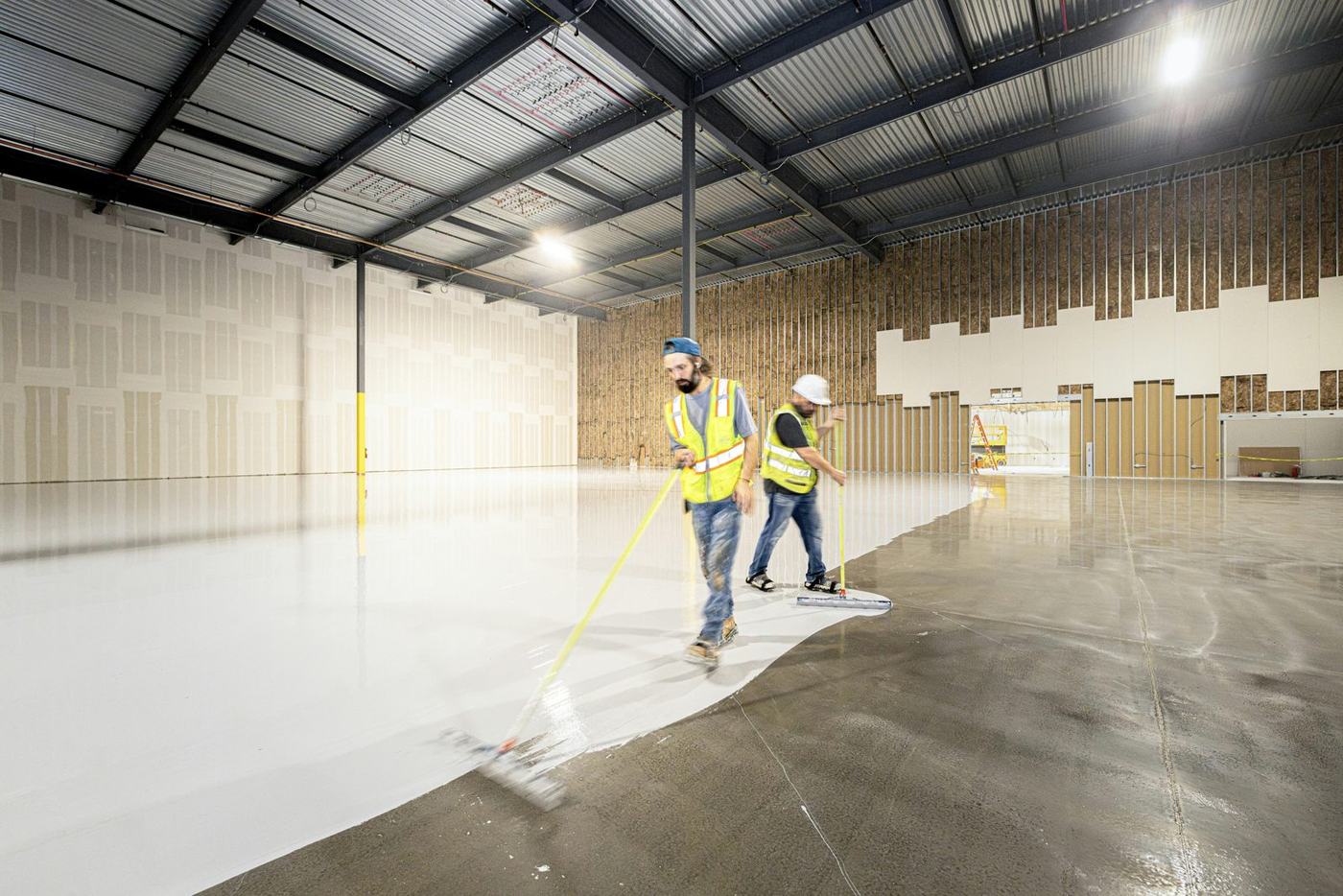
  2. Diamond grinding. Industrial grinders with dust extraction open the concrete and strip old paint, sealer and stains.
  3. Repair. Cracks, pits, spalls and joints are filled and ground flush.
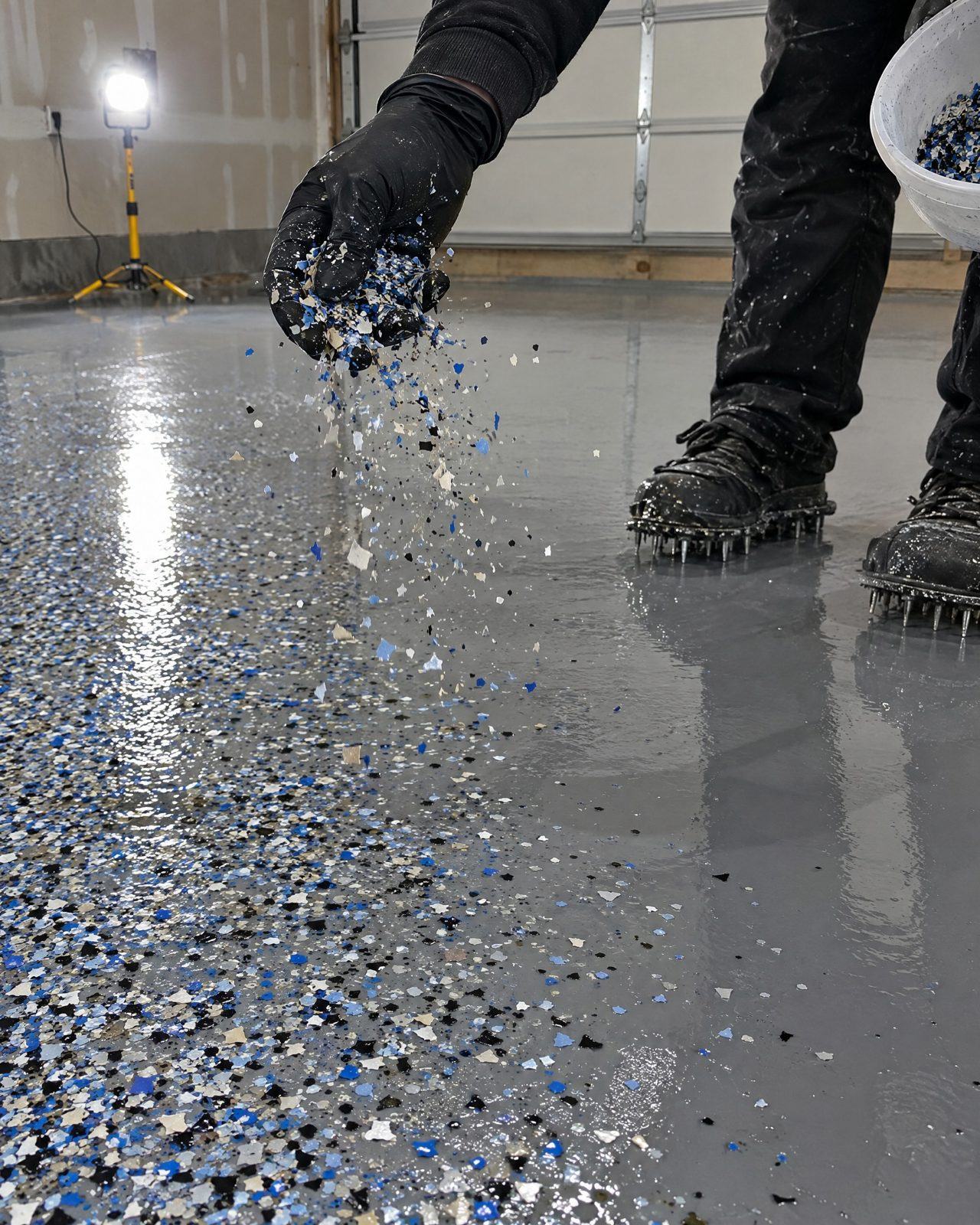
  4. Base coat & flake. A pigmented base, with flake broadcast to full coverage for an even finish.
  5. Clear topcoat. Excess flake is scraped off and a UV-stable polyaspartic clear locks it in.

What it costs on the Wasatch Front

Every floor is priced on its own size and system. What moves the number most is slab condition (old coatings to grind off, heavy crack repair, high moisture), not the color you pick. Every quote is free, in writing, and firm before work starts.

How long it lasts

A properly prepped, professionally installed flake floor commonly lasts 15–20+ years in a residential garage, and ours carry a lifetime warranty. The floors that fail early almost always share one story: skipped grinding, no moisture test, or a residential-grade system under commercial abuse.

Ready to see what your floor could look like? Call (801) 406-7906 or request a free on-site quote.

FAQ

Common questions

How much does it cost to coat a garage floor?

Price depends on the size of the garage, the coating system, flake coverage and how much repair the slab needs. Every quote we give is free and in writing.

Polyaspartic or epoxy — which is better?

For most garages, polyaspartic. It cures in hours instead of days, resists UV so it won't yellow, and handles hot tires and road salt better than standard epoxy. Epoxy is a lower-cost base coat and still has its place — we'll tell you which system fits your floor and why.

How long does a floor coating take to install?

Most residential garage and basement floors are done in about 2–3 days, depending on size, repairs and the system. You can walk on the floor within a day of the final coat and park on it about 24–72 hours after that.

Will it peel or lift like the kit I've seen fail?

Not when it's prepped right. Peeling almost always comes from skipped prep — a floor rolled over dust, sealer or old paint, or one that was never moisture-tested. We diamond-grind to clean concrete and test the slab first, which is exactly why our floors stay down.

How long will a professional coating last?

A properly installed, diamond-ground polyaspartic flake floor commonly lasts 15–20+ years in a residential garage, and we back it with a lifetime warranty. Lifespan depends on the system and traffic — but it's measured in years, not the months you get from a DIY kit.

Do you coat basements, shops and commercial floors too?

Yes — garage floors are our most popular job, but we also coat basements and interior floors, commercial and warehouse floors, and install metallic and decorative finishes. Same prep-first process on all of them. Call (801) 406-7906 for a free quote.

Is epoxy flooring worth it for a garage?

For most homeowners, yes. A coated garage floor stops concrete dust, resists oil and chemical stains, cleans with a hose, and protects the slab from moisture and salt. It's one of the highest-return upgrades per dollar in the house, and a fresh flake floor is a real selling point when you list.

Can I put a coating over an old epoxy or painted floor?

Not directly — old coatings have to come off. We diamond-grind the existing paint or epoxy down to bare, profiled concrete, repair what's underneath, and install the new system on a clean slab. Coating over a failing coating just gives you two failing coatings.

What's the difference between flake, solid-color and metallic floors?

Flake floors broadcast decorative vinyl chips into the base coat for a speckled, textured, forgiving finish — the most popular garage choice. Solid-color floors are a smooth, single-color system common in shops and commercial spaces. Metallic floors use pigmented resins that flow into a marbled, three-dimensional look for showrooms and statement spaces.

Is a coated floor slippery when wet?

Full-flake floors have a natural light texture and are comparable to sealed concrete when wet. For pool decks, wash bays, entries and commercial floors we add an anti-slip aggregate to the topcoat to meet the traction the space needs.

Do you need to move everything out of the garage?

Yes — the floor needs to be completely clear for grinding and coating, including shelving, freezers and anything on the slab. Most homeowners stage things in the driveway for the day; we're usually done by evening and you can move everything back in 24 hours.

Can you coat a floor in winter or in rainy weather?

Polyaspartic systems cure at temperatures that stall epoxy, so we install year-round. Heavy rain matters mainly for open slabs and pool decks; garages and interior floors are unaffected.

How do I clean and maintain a coated floor?

Sweep or blow it out, and mop or hose it with water and a mild cleaner. No waxing, no sealing, no special products. Avoid dragging sharp steel across it, and wipe up battery acid or brake fluid promptly like you would on any surface.

Do you offer commercial and industrial floor coatings?

Yes — shops, warehouses, showrooms, kitchens and service bays. Commercial floors get systems specced to the actual traffic and chemicals, slip-rated where needed, installed with fast-cure products and scheduled around your operation, including nights and weekends.

How thick is a professional floor coating?

A residential flake system typically finishes around 20–30 mils; commercial builds go thicker. A box-store kit is 2–4 mils — a tenth of the thickness, which is why it wears through and peels.

Do you provide a written quote?

Always. Every quote lists the prep, repair, system layers and price in writing before any work starts, and the number doesn't change on install day unless you change the scope.
Free estimate

Get a free on-site quote

Tell us about your floor. We'll reach out fast to set up a free on-site visit and a firm written quote.

  • Lifetime warranty on every floor
  • Diamond-ground prep, never an acid wash
  • Firm written quote, the price doesn't change on install day
  • Serving from Ogden to Spanish Fork and from Tooele Valley to the east benches

Your quote and install come from a trusted local installer in our network. They'll call or text you from (801) 406-7906.

Prefer to talk? (801) 406-7906

CallFree Quote